Glass skin, CO2, and what's driving the trend in 2026
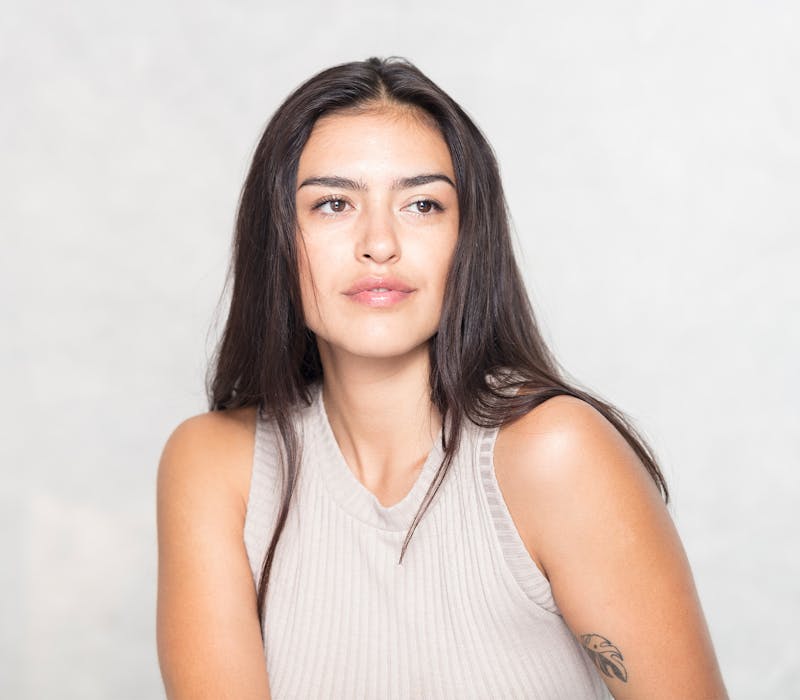
"Glass skin" — the Korean beauty ideal of skin so clear and smooth it looks almost reflective — has been an aspirational aesthetic for several years. What's changed in 2026 is how people are actually getting there.
At the IMCAS 2026 international aesthetics conference, CO2 laser resurfacing was highlighted repeatedly as the gold standard for skin texture refinement. It's appearing as one of the top post-facelift add-on treatments, and as a standalone option for patients who want meaningful skin quality improvement without surgery.
The search pairing "glass skin + CO2 laser" is now a breakout combination. More patients are arriving to consultations already knowing the term and asking specific questions about it. That's worth understanding clearly before you walk in the door.
What CO2 Laser Actually Does to Skin
CO2 laser resurfacing uses short pulses of high-energy light to remove the outermost layers of damaged skin. At the same time, the heat from the laser stimulates collagen production in the deeper dermis.
The practical result, visible over several months following the procedure: skin that is firmer, smoother, and more even in tone. Fine lines soften. Sun damage fades. Texture — the rough, uneven, sometimes crepey quality that accumulates with age and sun exposure — significantly improves.
This isn't a subtle treatment. CO2 laser produces real, visible results. It also involves real recovery: approximately one week of significant redness and active healing, followed by several weeks of pinkness that gradually fades. Patients in Carlsbad, Encinitas, and North County San Diego generally plan the procedure for fall or winter, when sun exposure is lower and a recovery window is easier to schedule around.
Where CO2 Fits Alongside Surgery
For patients who have had a facelift or blepharoplasty, CO2 laser resurfacing is one of the most effective secondary treatments available. Surgery addresses structure: the position of muscles, ligaments, and tissue. Laser addresses the surface: the tone, texture, and quality of the skin now sitting in its improved position.
Surgeons presenting at IMCAS 2026 framed CO2 laser as the natural complement to the deep plane facelift for exactly this reason. Surgery can't change skin texture. Laser can't change structural laxity. Together, they address the face comprehensively.
Timing matters. Most surgeons recommend waiting at least 6 to 12 months after a facelift before treating the same area with CO2 laser. For patients planning their full approach over time, understanding both what surgery and what laser can do — and in what order — helps set realistic expectations and prevents disappointment.
Fractional Versus Fully Ablative: What the Difference Means for You
CO2 laser comes in two main forms. Fractional CO2 treats a percentage of the skin surface while leaving surrounding tissue intact. Recovery is shorter and the risk profile is lower, with results that are meaningful but more moderate.
Fully ablative CO2 treats the entire surface of the treatment area. Results are more significant and recovery is longer, typically 7 to 10 days of active healing and several weeks of pinkness after that.
The right approach depends on the patient's skin, the degree of damage or texture concerns, and how much downtime they can realistically manage. Patients with more extensive sun damage — common in the North County San Diego climate — often benefit from a more aggressive approach. Patients looking for improvement with a shorter recovery window may be better suited to fractional treatment.
Both approaches trigger the same underlying mechanism: collagen remodeling. The intensity and the timeline differ. What's right for one patient isn't necessarily right for another.
What to Expect at a Consultation
During a consultation, Dr. Moradi assesses skin thickness, tone, texture, and the degree of sun damage present, then discusses realistic expectations for what laser resurfacing can achieve for that specific patient.
Patients with darker skin tones require particular care with CO2 laser, as the risk of pigmentation changes is higher. In those cases, alternative approaches may be more appropriate, and that discussion happens openly during the consultation.
Dr. Moradi is double board certified in facial plastic surgery and otolaryngology-head and neck surgery, with experience in both surgical and non-surgical skin treatments.
Learn more about CO2 laser resurfacing and skin treatments at moradimd.com.
Schedule a Consultation
If you're curious about CO2 laser resurfacing — whether on its own or as part of a longer-term approach alongside surgery — our Vista office serves patients from Carlsbad, Encinitas, Oceanside, San Marcos, Rancho Santa Fe, Del Mar, and throughout North County San Diego. Call (760) 726-6451 to schedule a consultation with Dr. Moradi.